
BY PAUL LUCKY OKOKU
A FIFA football-agent licence should mean more than the ability to negotiate the next contract.
FIFA requires licensed agents to understand the regulatory system in which they operate. Its examination tests knowledge of football regulations and the transfer system, while licensed agents must complete annual Continuing Professional Development to maintain their licences.
That professional knowledge carries value.
So here is a question worth asking in Nigerian football:
𝗜𝗳 𝘆𝗼𝘂 𝗮𝗿𝗲 𝗹𝗶𝗰𝗲𝗻𝘀𝗲𝗱 𝘁𝗼 𝗿𝗲𝗽𝗿𝗲𝘀𝗲𝗻𝘁 𝗮 𝗽𝗹𝗮𝘆𝗲𝗿’𝘀 𝗽𝗿𝗼𝗳𝗲𝘀𝘀𝗶𝗼𝗻𝗮𝗹 𝗶𝗻𝘁𝗲𝗿𝗲𝘀𝘁𝘀, 𝗱𝗼𝗲𝘀 𝘁𝗵𝗮𝘁 𝗽𝗹𝗮𝘆𝗲𝗿 𝗸𝗻𝗼𝘄 𝘄𝗵𝗼 𝗿𝗲𝗽𝗿𝗲𝘀𝗲𝗻𝘁𝘀 𝗵𝗶𝘀 𝗰𝗼𝗹𝗹𝗲𝗰𝘁𝗶𝘃𝗲 𝗶𝗻𝘁𝗲𝗿𝗲𝘀𝘁𝘀 𝘄𝗵𝗲𝗻 𝘀𝗼𝗺𝗲𝘁𝗵𝗶𝗻𝗴 𝗴𝗼𝗲𝘀 𝘄𝗿𝗼𝗻𝗴?
𝗧𝗛𝗘 𝗟𝗜𝗖𝗘𝗡𝗖𝗘 𝗦𝗛𝗢𝗨𝗟𝗗 𝗡𝗢𝗧 𝗘𝗡𝗗 𝗪𝗜𝗧𝗛 𝗧𝗛𝗘 𝗧𝗥𝗔𝗡𝗦𝗙𝗘𝗥
Under FIFA’s Football Agent Regulations, an agent may provide football-agent services only through a written representation agreement with the client.
That relationship places the agent close to the player’s career.
What happens when salary stops?
What happens when contractual obligations are ignored?
What happens when match overload, inadequate recovery, poor travel or accommodation begin affecting performance?
What happens when medical support is uncertain?
What happens when a player wins a case but enforcement does not follow?
And what happens when he fears retaliation for speaking up?
Those are not side issues.
𝗧𝗵𝗲𝘆 𝗰𝗮𝗻 𝗯𝗲𝗰𝗼𝗺𝗲 𝗳𝗼𝗼𝘁𝗯𝗮𝗹𝗹 𝗽𝗿𝗼𝗯𝗹𝗲𝗺𝘀 𝘃𝗲𝗿𝘆 𝗾𝘂𝗶𝗰𝗸𝗹𝘆.
𝗔𝗡 𝗨𝗡𝗣𝗥𝗢𝗧𝗘𝗖𝗧𝗘𝗗 𝗣𝗟𝗔𝗬𝗘𝗥 𝗖𝗔𝗡 𝗕𝗘𝗖𝗢𝗠𝗘 𝗛𝗔𝗥𝗗𝗘𝗥 𝗧𝗢 𝗣𝗥𝗢𝗠𝗢𝗧𝗘
A football agent does not have to become a trade unionist to understand the professional consequences.
An unpaid player may become distracted.
An overloaded player may become fatigued.
A poorly protected player may become injured, discouraged or silent.
And once performance begins to suffer, opportunity can suffer with it.
Exposure can decline.
Foreign interest can disappear.
Market value can stagnate.
The next move may never come.
The damage therefore does not always stop with the player. The representative who invested time, relationships and professional credibility in that career may feel it too.
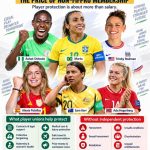
𝗣𝗹𝗮𝘆𝗲𝗿 𝗽𝗿𝗼𝘁𝗲𝗰𝘁𝗶𝗼𝗻 𝗶𝘀 𝗻𝗼𝘁 𝗺𝗲𝗿𝗲𝗹𝘆 𝗰𝗵𝗮𝗿𝗶𝘁𝘆. 𝗜𝘁 𝗶𝘀 𝗰𝗼𝗻𝗻𝗲𝗰𝘁𝗲𝗱 𝘁𝗼 𝗽𝗲𝗿𝗳𝗼𝗿𝗺𝗮𝗻𝗰𝗲, 𝗱𝗲𝘃𝗲𝗹𝗼𝗽𝗺𝗲𝗻𝘁 𝗮𝗻𝗱 𝗺𝗮𝗿𝗸𝗲𝘁𝗮𝗯𝗶𝗹𝗶𝘁𝘆.
𝗗𝗢𝗘𝗦 𝗙𝗜𝗙𝗔 𝗥𝗘𝗤𝗨𝗜𝗥𝗘 𝗨𝗡𝗜𝗢𝗡 𝗘𝗗𝗨𝗖𝗔𝗧𝗜𝗢𝗡?
Accuracy matters.
FIFA requires agents to maintain regulatory knowledge and annual professional education, but its published licensing and Continuing Professional Development materials do not currently identify players’ unions or FIFPRO education as a specific licensing requirement.
So this article does not claim that FIFA orders every agent to educate clients about their union.
But football governance has moved.
On 𝗝𝘂𝗻𝗲 𝟭𝟬, 𝟮𝟬𝟮𝟲, FIFA formally recognised 𝗙𝗜𝗙𝗣𝗥𝗢 as the global representative body for professional footballers and as the social partner representing players as employees.
Their agreement created a 𝗚𝗹𝗼𝗯𝗮𝗹 𝗦𝗼𝗰𝗶𝗮𝗹 𝗗𝗶𝗮𝗹𝗼𝗴𝘂𝗲 𝗣𝗹𝗮𝘁𝗳𝗼𝗿𝗺 and provides for collective work on the transfer system, player welfare, occupational safety and health, rest and recovery.
A licensed professional representing footballers should understand that landscape.
𝗗𝗢 𝗬𝗢𝗨𝗥 𝗣𝗟𝗔𝗬𝗘𝗥𝗦 𝗞𝗡𝗢𝗪 𝗪𝗛𝗢 𝗦𝗣𝗘𝗔𝗞𝗦 𝗙𝗢𝗥 𝗧𝗛𝗘𝗠?
Nigeria has several organisations claiming forms of player representation.
The agent should not choose among them for the player.
Neither should the club, league, federation, academy owner or anyone else.
𝗧𝗵𝗲 𝗺𝗮𝗻𝗱𝗮𝘁𝗲 𝗯𝗲𝗹𝗼𝗻𝗴𝘀 𝘁𝗼 𝘁𝗵𝗲 𝗽𝗹𝗮𝘆𝗲𝗿𝘀.
But agents can ask useful questions:
Do you know which players’ association represents you?
Did you choose it?
When was its last congress?
How are its leaders chosen?
Are active professional players involved in its decisions?
What can it do if your salary is unpaid?
Does it provide legal assistance?
Does it educate you about contracts and employment rights?
If it speaks publicly in your name, did you authorise it?
Do you trust it?
FIFPRO’s statutes describe its members as representative and democratically organised players’ associations, and FIFPRO has publicly stressed that legitimate player representation should be built from the players up through independent, accountable structures with a genuine player mandate.
𝗔 𝗻𝗮𝗺𝗲, 𝘁𝗶𝘁𝗹𝗲 𝗼𝗿 𝗼𝗳𝗳𝗶𝗰𝗲 𝗰𝗮𝗻𝗻𝗼𝘁 𝘀𝘂𝗯𝘀𝘁𝗶𝘁𝘂𝘁𝗲 𝗳𝗼𝗿 𝘁𝗵𝗮𝘁 𝗺𝗮𝗻𝗱𝗮𝘁𝗲.
𝗔𝗚𝗘𝗡𝗧𝗦 𝗔𝗡𝗗 𝗨𝗡𝗜𝗢𝗡𝗦 𝗖𝗔𝗡 𝗧𝗔𝗟𝗞 𝗪𝗜𝗧𝗛𝗢𝗨𝗧 𝗕𝗘𝗖𝗢𝗠𝗜𝗡𝗚 𝗘𝗔𝗖𝗛 𝗢𝗧𝗛𝗘𝗥
There is precedent.
On 𝗦𝗲𝗽𝘁𝗲𝗺𝗯𝗲𝗿 𝟭𝟰, 𝟮𝟬𝟮𝟭, FIFPRO reported that Professional Footballers Australia had hosted its latest annual meeting with members of the Australian Football Agents Association.
Their discussion included injury insurance, bonuses, transfer rules and protection of young players.
The agents did not become union officials.
The union did not become an agents’ association.
They remained independent while recognising that they served many of the same footballers.
Nigeria can study that principle without copying another country’s structure.
𝗧𝗛𝗜𝗦 𝗡𝗘𝗪 𝗘𝗥𝗔 𝗠𝗨𝗦𝗧 𝗧𝗢𝗨𝗖𝗛 𝗘𝗩𝗘𝗥𝗬𝗕𝗢𝗗𝗬
If Nigerian football is serious about reform, reform cannot stop at federation headquarters.
It must travel through the entire system.
The league.
The clubs.
The players’ unions.
The agents.
The academies.
The players themselves.
Everyone has rights.
Everyone also has responsibilities.
Players must honour contracts, rules and professional obligations.
Clubs must pay and fulfil contractual commitments.
Agents must maintain professional standards and understand the systems surrounding their clients.
Players’ unions must demonstrate representation, democratic governance, regular engagement with active players, accountability and service.
Football authorities must provide credible oversight and enforce the rules fairly.
Reform cannot mean changing one office while allowing old habits to survive everywhere else.
It requires:
𝗦𝘁𝗿𝘂𝗰𝘁𝘂𝗿𝗲.
𝗘𝗱𝘂𝗰𝗮𝘁𝗶𝗼𝗻.
𝗗𝗼𝗰𝘂𝗺𝗲𝗻𝘁𝗮𝘁𝗶𝗼𝗻.
𝗘𝗻𝗳𝗼𝗿𝗰𝗲𝗺𝗲𝗻𝘁.
𝗔𝗰𝗰𝗼𝘂𝗻𝘁𝗮𝗯𝗶𝗹𝗶𝘁𝘆.
Not in one direction.
𝗜𝗻 𝗲𝘃𝗲𝗿𝘆 𝗱𝗶𝗿𝗲𝗰𝘁𝗶𝗼𝗻.
A new era cannot simply produce new leadership.
𝗔 𝗡𝗘𝗪 𝗘𝗥𝗔 𝗠𝗨𝗦𝗧 𝗣𝗥𝗢𝗗𝗨𝗖𝗘 𝗡𝗘𝗪 𝗛𝗔𝗕𝗜𝗧𝗦.
𝗟𝗘𝗧 𝗧𝗛𝗘 𝗟𝗜𝗖𝗘𝗡𝗖𝗘 𝗠𝗘𝗔𝗡 𝗦𝗢𝗠𝗘𝗧𝗛𝗜𝗡𝗚
Nigeria’s FIFA-licensed football agents possess something valuable:
𝗣𝗿𝗼𝗳𝗲𝘀𝘀𝗶𝗼𝗻𝗮𝗹 𝗸𝗻𝗼𝘄𝗹𝗲𝗱𝗴𝗲 𝗮𝗻𝗱 𝗮𝗰𝗰𝗲𝘀𝘀.
Use that knowledge before the player is already in crisis.
Know the channels available when salary stops.
Understand where contractual remedies exist.
Know which organisations claim to represent your clients and ask what services they actually provide.
Help players ask who speaks for them without choosing the answer for them.
Because the healthy player performs better.
The rested player performs better.
The properly paid player can concentrate better.
The protected player has a better chance to develop, attract attention and progress.
And the player who progresses creates opportunity not only for himself, but for everyone who has invested professionally in his career.
A FIFA licence should therefore mean more than being present when the contract is signed.
It should mean knowing enough to help the player understand the system surrounding that contract.
𝗡𝗼𝘁 𝗯𝘆 𝘀𝗽𝗲𝗮𝗸𝗶𝗻𝗴 𝗼𝘃𝗲𝗿 𝗵𝗶𝗺.
𝗡𝗼𝘁 𝗯𝘆 𝗰𝗵𝗼𝗼𝘀𝗶𝗻𝗴 𝗳𝗼𝗿 𝗵𝗶𝗺.
𝗕𝘂𝘁 𝗯𝘆 𝗵𝗲𝗹𝗽𝗶𝗻𝗴 𝗵𝗶𝗺 𝘀𝘁𝗮𝗻𝗱 𝗶𝗻𝗳𝗼𝗿𝗺𝗲𝗱 𝘄𝗶𝘁𝗵𝗶𝗻 𝗵𝗶𝘀 𝗼𝘄𝗻 𝗰𝗮𝗿𝗲𝗲𝗿.
𝗟𝗘𝗧 𝗧𝗛𝗘 𝗟𝗜𝗖𝗘𝗡𝗖𝗘 𝗠𝗘𝗔𝗡 𝗦𝗢𝗠𝗘𝗧𝗛𝗜𝗡𝗚 𝗔𝗙𝗧𝗘𝗥 𝗧𝗛𝗘 𝗖𝗢𝗡𝗧𝗥𝗔𝗖𝗧 𝗜𝗦 𝗦𝗜𝗚𝗡𝗘𝗗.
𝗣𝗮𝘂𝗹 𝗟𝘂𝗰𝗸𝘆 𝗢𝗸𝗼𝗸𝘂
FIFA Legend | Former Nigeria Flying Eagles Vice-Captain | Former Super Eagles International | AFCON Silver Medalist | Football Historian | Football Analyst | Investigative Football Writer | Journalist-at-Large | Founder & CEO, Greater Tomorrow Children’s Fund (GTCF)