
With the Nigeria Premier Football League attracting a $7.5 million title sponsorship from Euromatch, GTI Group believes the domestic game has entered a new commercial era. But for the league to realise its ambition of becoming Africa’s best, more corporate players must come aboard.
For years, the Nigeria Premier Football League has wrestled with a familiar challenge: immense football talent and public passion on one hand, and the struggle to translate those assets into a sustainable and commercially attractive football business on the other.
That equation, however, may be changing.
The arrival of Euromatch as the new title sponsor of the NPFL, through a $7.5 million deal, has injected fresh optimism into a competition seeking to reclaim its place among Africa’s most respected domestic leagues.
For GTI Group, the strategic partner of the NPFL, the Euromatch deal is not simply another sponsorship agreement. It is a statement about what Nigerian football can become when serious corporate investment meets sporting potential.
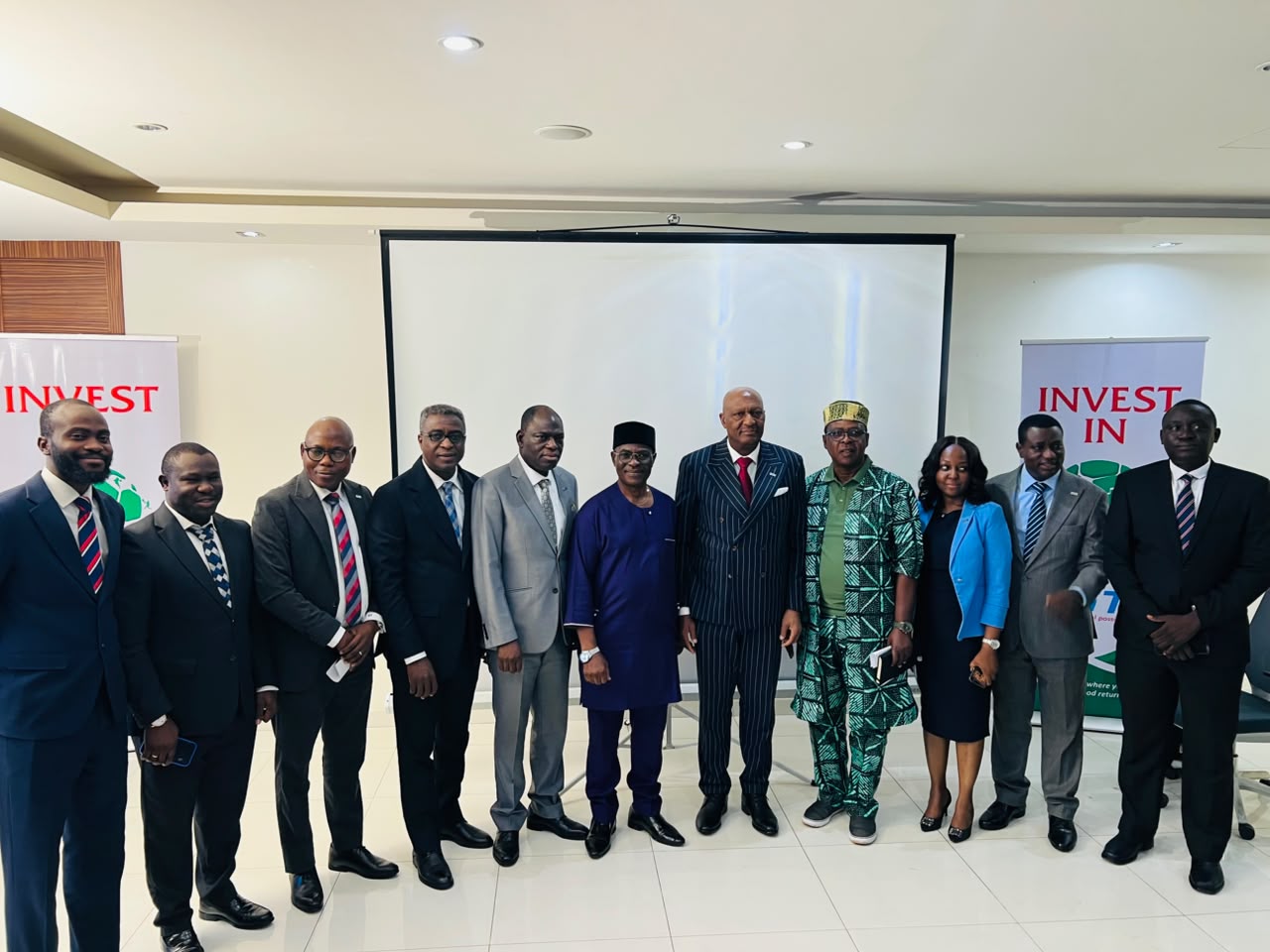
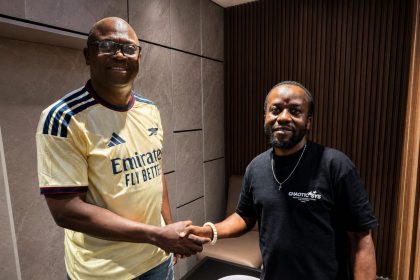
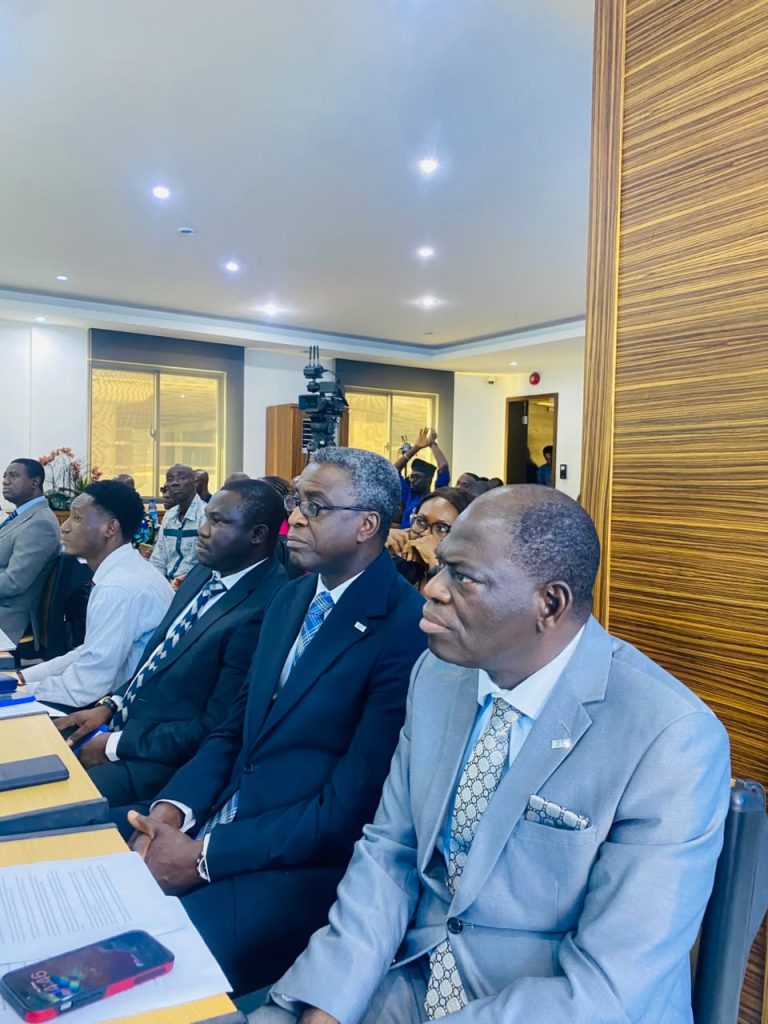
Speaking at a media conference in Lagos to herald the 2026/2027 Euromatch Nigeria Premier Football League season, GTI Group Managing Director, Abubakar Lawal, described the development as a defining moment for the domestic game.
“Your decision to invest in the NPFL is a strong vote of confidence in Nigerian football and in the enormous opportunities that exist within our domestic sports ecosystem and the economy at large,” Lawal told representatives of the new title sponsor and other stakeholders.
His message went beyond welcoming Euromatch. It was also an invitation — and, perhaps, a challenge — to corporate Nigeria.
For Lawal, the time has come for businesses to stop viewing football merely as entertainment and begin to recognise the NPFL as a potentially powerful commercial platform capable of delivering visibility, consumer engagement and long-term economic value.
The significance of the Euromatch partnership is amplified by the league’s history of title sponsorship. The deal represents the first major title sponsorship since Globacom withdrew from the NPFL about 15 years ago, making the development particularly significant for a competition that has spent years seeking stronger commercial backing.
From survival to ambition
GTI’s involvement in the NPFL dates back to 2022, when the financial services group entered into a strategic partnership with the league.
Since then, the company has positioned itself as one of the major private-sector forces seeking to change the commercial narrative surrounding Nigeria’s domestic football.
But the ambition is no longer simply about keeping the league afloat.
Lawal believes the NPFL must aim higher.
The league, he noted, is currently ranked fifth in Africa, a position he sees as evidence of its quality and competitiveness but not one that should satisfy Nigeria’s football ambitions.
“The NPFL is currently ranked fifth in Africa by FIFA, a position that reflects the quality, competitiveness and growing stature of our elite domestic competition. But we must not be satisfied with fifth place,” he said.
“Our ambition must be to build an NPFL that competes among the very best leagues in Africa and, ultimately, becomes a globally recognised football brand.”
That ambition is significant because Nigeria possesses many of the ingredients required for a successful football league: a huge population, a deeply passionate football audience, a rich history of producing elite players and clubs spread across different parts of the country.
What has often been missing is the combination of structure, investment, consistency and commercial strategy capable of converting those advantages into a sustainable football industry.
Corporate Nigeria’s missing piece
This is where GTI believes corporate Nigeria has a major role to play.
Lawal’s appeal is straightforward: if the NPFL is to become a stronger product, it cannot rely solely on government or football administrators.
“The NPFL offers enormous possibilities for companies seeking visibility, brand engagement, community impact and long-term commercial opportunities,” he said.
The geographical spread of NPFL clubs, according to him, gives sponsors access to diverse communities and millions of passionate football consumers.
For companies, that means the league can serve as more than a logo-placement opportunity. It can become a platform for storytelling, customer engagement, grassroots initiatives and community investment.
But Lawal also made a broader argument.
Investment in football, he said, is ultimately an investment in people.
“It is an investment in talent development, employment, entertainment, grassroots football and the future of the Super Eagles,” he said.
That connection between the domestic league and the national team is particularly important. Nigeria’s football reputation has largely been built around the Super Eagles and the country’s internationally successful players. A stronger domestic league provides a deeper platform for identifying, developing and exposing the next generation of talent.
A collective responsibility
The transformation of the NPFL, however, cannot be achieved by one company or one sponsor.
Lawal acknowledged this, identifying government, club owners, the Nigeria Football Federation, the media, fans and the private sector as important players in the league’s future.
“We believe the time has come for more stakeholders to join this journey. Government has a role. Club owners have a role. The Nigeria Football Federation has a role. The media has a role. Fans have a role. And, perhaps most importantly, the private sector has a major role to play,” he said.
The message is clear: the NPFL’s future cannot be built around isolated interventions. It requires an ecosystem in which clubs are professionally managed, sponsors receive value, players have better opportunities, fans are properly engaged and the league itself becomes a credible commercial property.
The Euromatch deal could therefore prove to be more than a financial boost. It could become a catalyst for other businesses to reassess the value of Nigerian football.
The road ahead
The journey from fifth place in Africa to the continent’s summit will not be achieved overnight.
It will require sustained investment, better infrastructure, stronger governance, improved matchday experiences, effective marketing, media visibility and a league capable of delivering consistent value to its commercial partners.
But the mood surrounding the new season suggests that the conversation is changing.
For the first time in years, the NPFL is not merely talking about survival. It is talking about ambition — about competing with the best and building a football brand that can command attention beyond Nigeria’s borders.
Euromatch has taken the latest step by putting significant financial backing behind that vision. GTI Group wants more companies to follow.
As Lawal put it: “Today, Euromatch has demonstrated what is possible when corporate vision meets sporting potential.”
And perhaps that is the real story behind the new NPFL season.
The question is no longer whether Nigerian football has the talent or the audience to build a great league. It is whether the country can bring together the investment, professionalism and collective will required to turn that potential into reality.
For GTI Group, the answer begins with a simple proposition: the future of the NPFL is bright, the opportunity is enormous — and the time to invest is now.